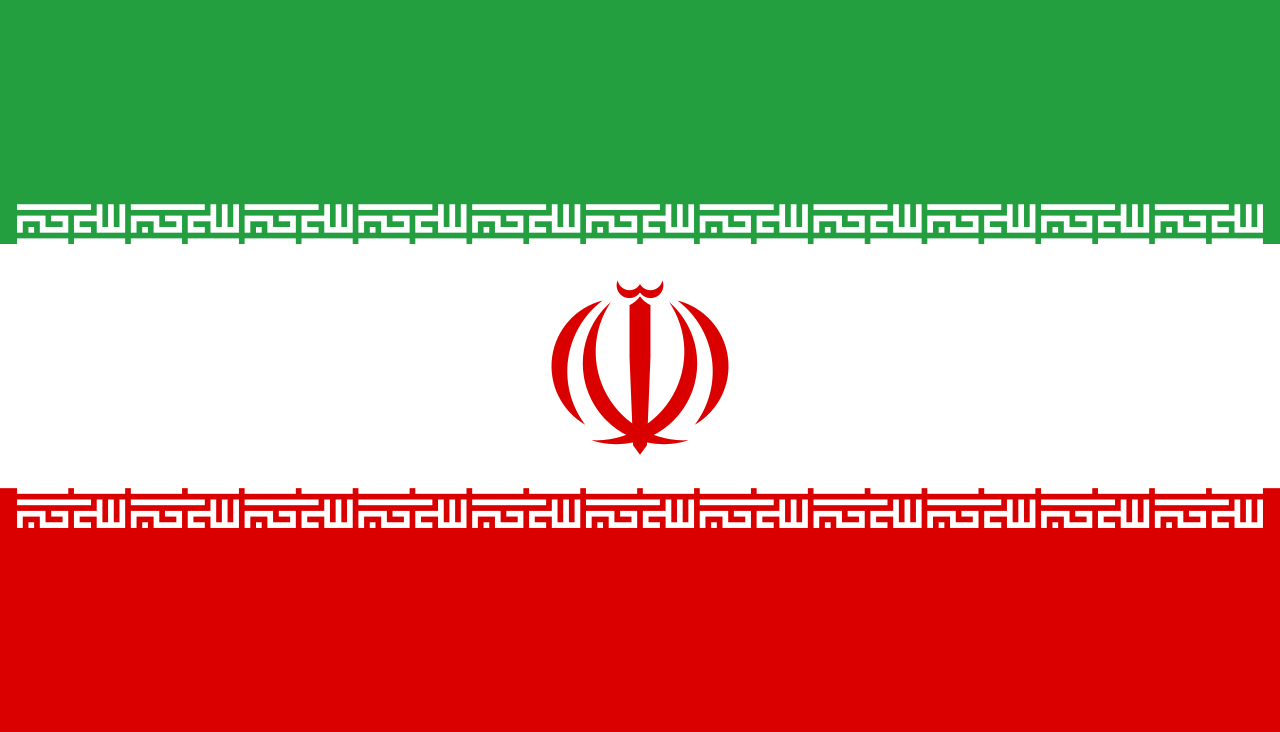
The specter of an 'iran krieg trump' has loomed large over international relations for years, often a subject of intense speculation and geopolitical maneuvering. Now, with reported direct military engagement and rhetoric escalating from Washington and Tehran, the theoretical has become terrifyingly real. Under former President Donald Trump's directive, an operation dubbed "Epic Fury" has plunged the Middle East into further uncertainty, raising critical questions about Iran's nuclear ambitions, the stability of US military assets in the region, and the profound global repercussions. This article delves into the multi-faceted dimensions of this conflict, exploring the motivations, the immediate impacts, and the deep ideological rifts it has exposed within the United States.
The Spark: Unpacking "Operation Epic Fury" and Iran's Nuclear Ambitions
The commencement of military operations against Iran, christened "Operation Epic Fury" by the Trump administration, marks a dramatic escalation in tensions that have simmered for years. Trump's stated primary justification for these attacks has been Iran's nuclear program. While the specifics of the current strikes remain sensitive, Trump himself indicated that the "big wave of attacks is yet to come" and set an initial timeframe of "about four weeks" for the engagements, a significant commitment of military force and resources.
The issue of Iran's nuclear capabilities has been a cornerstone of international diplomacy for decades. The 2015 Joint Comprehensive Plan of Action (JCPOA), commonly known as the Iran nuclear deal, aimed to curb Iran's nuclear program in exchange for sanctions relief. However, in 2018, the Trump administration withdrew from the JCPOA, arguing it was a "terrible deal" that did not adequately address Iran's ballistic missile program or its regional influence. This withdrawal, coupled with the re-imposition of stringent sanctions, significantly heightened tensions and led Iran to gradually roll back its commitments under the deal.
Today, the concern is that Iran, unconstrained by the JCPOA, is accelerating its uranium enrichment efforts, potentially shortening its "breakout time" – the period required to produce enough fissile material for a nuclear weapon. The international community views this with alarm, fearing a nuclear-armed Iran could destabilize the entire region and trigger a dangerous arms race. The military actions initiated under Trump are presented by some as a pre-emptive measure to dismantle or severely impede Iran's nuclear infrastructure, though critics warn such actions risk unintended consequences and wider conflict.
A Region on Edge: US Bases and the Threat of Escalation
The immediate fallout of direct military engagement has been swift and severe, particularly for the extensive network of US military bases across the Middle East. As US and Israeli forces reportedly continue to strike targets within Iran, Tehran has responded with retaliatory counterstrikes. These responses have not been confined to direct engagement with US forces but have also targeted critical infrastructure and military installations in neighboring countries.
Reports indicate that Iran's counterattacks have struck targets in Bahrain, Qatar, Kuwait, and the United Arab Emirates – all nations hosting significant US military presence. These US bases, vital strategic assets for power projection and regional stability, now find themselves on the front lines of an unfolding conflict. The vulnerability of these bases, and by extension, the thousands of American military personnel stationed there, is a grave concern. The strategic importance of these installations cannot be overstated; they facilitate regional security operations, counter-terrorism efforts, and naval presence in critical waterways like the Strait of Hormuz.
The risk of wider regional conflict is palpable. Any direct hit on a US base resulting in significant casualties could trigger a devastating cycle of escalation, drawing more regional and international actors into the fray. The interconnectedness of regional security means that a localized conflict can quickly cascade, impacting global energy markets, trade routes, and humanitarian conditions. For individuals and businesses operating in or traveling through the region, the heightened state of alert underscores the need for extreme caution and adherence to travel advisories issued by national governments.
The Divided American Soul: "America First" vs. Christian Zionism
Perhaps one of the most striking aspects of the 'iran krieg trump' situation is its profound impact on former President Trump's own political base. The conflict has laid bare a deep ideological rift within the MAGA movement, pitting long-standing "America First" isolationists against influential Christian Zionists. This internal struggle highlights the complex and sometimes contradictory forces shaping American foreign policy.
On one side are the Christian Zionists, a powerful bloc within white evangelical Christianity. Figures like John Hagee, founder of the estimated 15-million-member organization "Christians United for Israel" (CUFI), publicly celebrated "Operation Epic Fury" as a "fantastic victory over the enemies of Israel." For Hagee and his followers, support for Israel is not merely political; it's deeply theological, intertwined with eschatological beliefs about end-times prophecies and the Second Coming of Christ. They view the removal of the "godless regime" in Tehran as a divine imperative, pushing for US intervention alongside Israel to achieve this outcome.
Diametrically opposed are the Christian Nationalists and "America First" isolationists, who championed Trump's original promise to end foreign wars and avoid new entanglements. This faction interprets "America First" as a rejection of global responsibilities and interventionism, a sentiment with historical roots dating back to opposition against US involvement in World War II. A prominent voice for this viewpoint is former Fox News host Tucker Carlson, who has vocally condemned the conflict.
Carlson has asserted that this is "unique and alone Israel's war," alleging that Israeli Prime Minister Benjamin Netanyahu manipulated Trump into the conflict through "lies and manipulations." He has also criticized US Ambassador to Jerusalem, Mike Huckabee (a Christian Zionist), for allegedly serving Israeli interests over American ones, provocatively stating, "You cannot serve two masters." Carlson's rhetoric has been particularly incendiary, even speculating about Israeli responsibility for the 9/11 attacks, a highly controversial claim. The chasm between these two factions within Trump's base reflects a fundamental disagreement over America's role in the world and its allegiances. For a deeper dive into this internal struggle, consider reading America First vs. Zionists: Iran War Splits Trump Base and for Tucker Carlson's specific views, see Tucker Carlson Slams Trump's Iran War as Israel's Alone.
Beyond the Battleground: Global Fallout and Geopolitical Ripples
The ramifications of Trump's Iran War extend far beyond the immediate battleground, sending ripples across the global geopolitical landscape. The most immediate economic impact is often felt in energy markets. The Middle East is a critical source of global oil supply, and any disruption to production or shipping routes, particularly through the Strait of Hormuz, can lead to significant spikes in oil prices, impacting economies worldwide. Businesses reliant on global supply chains and stable energy costs face increased uncertainty and potential losses.
Diplomatically, the conflict presents immense challenges for international bodies like the United Nations and for US allies. European nations, many of whom were signatories to the JCPOA, have consistently advocated for de-escalation and diplomatic solutions. Germany, for instance, initially hesitated on evacuating its citizens, eventually prioritizing vulnerable groups like the sick, children, and pregnant individuals. This highlights the difficult balancing act allies face between supporting US security goals and pursuing their own diplomatic strategies to prevent wider conflict.
Furthermore, the conflict has profound humanitarian implications. An escalated war could lead to widespread displacement, a surge in refugees, and a dire humanitarian crisis. Civilian casualties are an ever-present risk in modern warfare, and the long-term societal damage can take decades to heal. The international community faces the urgent task of facilitating de-escalation, providing humanitarian aid, and working towards a lasting resolution that addresses both regional security concerns and the legitimate aspirations of all peoples in the area.
From a global security perspective, the 'iran krieg trump' scenario tests the limits of non-proliferation efforts and the effectiveness of international diplomacy. The precedents set by this conflict could reshape future approaches to confronting nuclear ambitions and regional proxy wars, potentially emboldening other actors to pursue similar paths or, conversely, strengthening the resolve for multilateralism and peaceful conflict resolution.
The decision to engage militarily with Iran under the Trump administration has unleashed a torrent of complex challenges and unpredictable consequences. From the immediate threat posed by Iran's nuclear program and the vulnerability of US bases to the deep internal divisions within American politics, the conflict is multifaceted. As the situation continues to unfold, the world watches anxiously, hoping for de-escalation and a pathway to stability, while grappling with the significant global fallout and the enduring geopolitical ripples set in motion by this momentous decision.